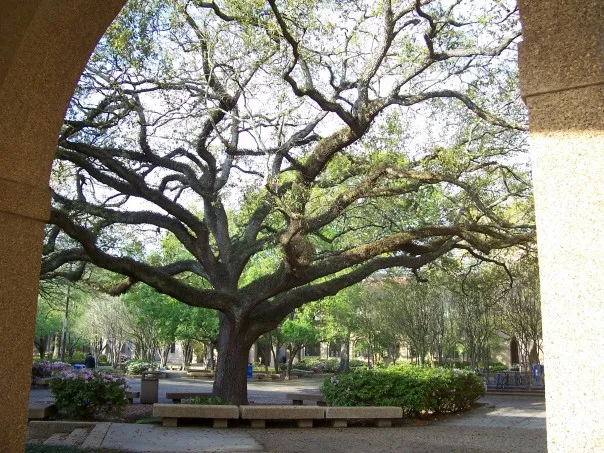
Before the Storm Arrives: A Complete Pre-Hurricane Tree Care Checklist for Mobile Homeowners
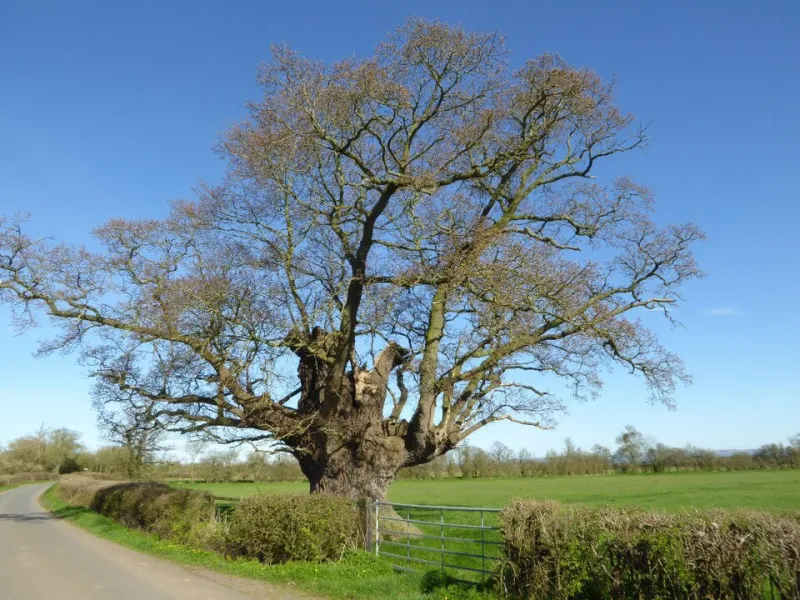
Photo: Philip Halling , CC BY-SA 2.0, via Wikimedia Commons
Mobile, Alabama sits squarely in one of the most storm-active corridors in the continental United States. Each year, between June and November, Gulf Coast residents brace for tropical weather systems that bring sustained winds, torrential rainfall, and the kind of atmospheric pressure that tests the structural integrity of everything in its path — including the mature oak trees that define so many of our neighborhoods.
For homeowners, those towering oaks represent decades of growth, significant property value, and in many cases, irreplaceable natural character. But they also represent substantial risk if they enter hurricane season without proper care. The good news is that proactive arboricultural maintenance can dramatically reduce storm-related tree damage. The key is starting well before a named storm appears on the radar.
At Mobile Arborist Co., we work with residential and commercial clients throughout the Mobile metro area to prepare their trees for severe weather. What follows is the professional checklist we use — and recommend — for any homeowner with mature trees on their property.
Assess the Tree's Overall Structural Health First
Before any physical work begins, a thorough visual and structural assessment is essential. Healthy trees are far more resilient in high winds than compromised ones, and identifying weaknesses early gives you time to address them properly.
Look for these warning signs during your inspection:
- Included bark — This occurs when two or more co-dominant stems grow closely together and bark becomes trapped between them, creating a weak union that is prone to splitting under wind load.
- Deadwood — Dead branches, regardless of size, lose their flexibility and become projectiles in high winds. Any deadwood above a structure, walkway, or vehicle should be removed before storm season.
- Cavities and decay — Hollow sections or visible fungal growth (mushrooms, conks) at the base or along the trunk indicate internal decay that compromises the tree's ability to withstand lateral force.
- Root zone disturbance — Construction activity, soil compaction near the drip line, or visible surface roots that have been damaged can destabilize even a visually healthy tree.
If you observe any of these conditions, contact a certified arborist for a formal evaluation before proceeding with any other work.
Crown Thinning: Reducing Wind Resistance Without Compromising Form
One of the most effective storm-preparedness techniques for mature oaks is selective crown thinning. This process involves the strategic removal of interior branches to reduce the density of the canopy — not to alter the tree's natural shape, but to allow wind to pass through rather than act against a solid surface.
Think of the difference between a solid sail and a net. A dense, unpruned canopy catches wind like a sail, placing enormous leverage stress on the trunk and root system. A properly thinned crown allows air to move through, reducing that load significantly.
For live oaks and water oaks common throughout Mobile County, crown thinning should be performed by a qualified arborist who understands the species' growth patterns. Over-thinning can stress the tree, expose it to sunscald, and stimulate excessive regrowth — all of which create new problems. The goal is a measured reduction, typically removing no more than 15 to 20 percent of the live crown in a single season.
Identify and Remove Hazardous Branches Before They Become Projectiles
Not all branch removal is the same. In a pre-storm context, the priority is identifying branches that are most likely to fail under load and removing them in a controlled manner before the wind does it unpredictably.
Hazardous branches typically include:
- Long, horizontal limbs extending over rooftlines, driveways, or neighboring structures with little taper or secondary branching for support
- Branches with cracks or splits, even if the damage appears minor — storm conditions will exploit any existing fracture
- Previously damaged limbs from past storms or pruning wounds that did not close properly
- Water sprouts and epicormic growth — fast-growing, weakly attached shoots that emerge from the trunk or major limbs and have poor structural integrity
Removing these branches requires proper equipment and training. Improper cuts can introduce disease, disrupt the tree's natural defense mechanisms, and leave wounds that take years to close. Always use a licensed professional for branch removal on mature trees.
Consider Structural Bracing and Cabling Systems
For trees with co-dominant stems, weak branch unions, or significant sentimental and property value, structural support systems offer a practical alternative to removal. Dynamic cabling systems, installed by a certified arborist, limit the range of movement in weak unions without preventing the natural flex that trees need to remain healthy.
Static bracing rods may also be used in cases where a union has already begun to fail. These systems are not a permanent solution to underlying structural problems, but they can extend the functional life of a beloved tree while reducing its risk profile during storm events.
Bracing and cabling should be inspected annually and after any significant storm event. Hardware can loosen, cables can fray, and the tree's growth can change the tension dynamics of the system over time.
Address the Root Zone and Soil Conditions
A tree's wind resistance begins underground. The root system anchors the entire structure, and its integrity is directly tied to soil health, drainage, and the absence of physical disturbance.
In the weeks before hurricane season peaks, consider the following:
- Mulch the root zone with a 3- to 4-inch layer of organic mulch extending to the drip line. This retains moisture during dry spells, moderates soil temperature, and reduces compaction from foot traffic.
- Avoid deep tilling or cultivation within the drip line. Fine feeder roots are shallow and easily damaged.
- Address drainage issues that leave soil saturated for extended periods. Waterlogged soil dramatically reduces root anchorage, making even structurally sound trees vulnerable to uprooting.
Schedule a Professional Arborist Evaluation Before June
The single most important item on this checklist is also the simplest: schedule a professional evaluation before the Atlantic hurricane season reaches its peak. By August and September, certified arborists throughout the Gulf Coast are operating at full capacity, and scheduling becomes difficult.
A certified arborist from Mobile Arborist Co. can assess your entire property, prioritize risk-reduction work, and develop a phased plan that fits your timeline and budget. We understand the specific tree species, soil types, and storm patterns that define the Mobile region — and we bring that local expertise to every evaluation.
Your trees have stood through many seasons. With the right preparation, they can stand through many more.
Contact Mobile Arborist Co. to schedule your pre-storm tree assessment. Serving residential and commercial clients throughout Mobile County and the surrounding Gulf Coast communities.