Heat, Humidity, and Thirst: Building a Summer Watering Plan That Actually Keeps Mobile Trees Alive
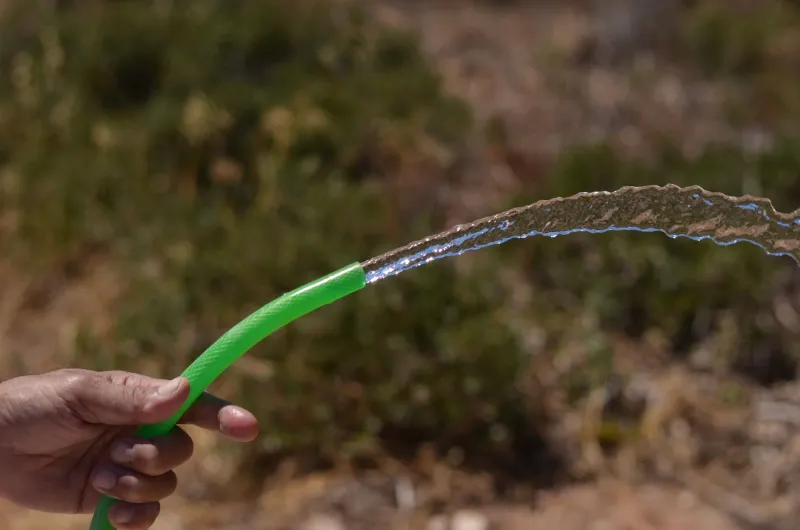
There is a common misconception among homeowners throughout the Gulf Coast: because Mobile receives generous annual rainfall and the air feels perpetually damp, trees must be adequately hydrated. In reality, summer conditions in Mobile create a deceptive environment where trees can be silently suffering from drought stress even when the humidity index is high. Heat, sandy coastal soils, and extended dry spells between rain events combine to deprive root systems of the consistent moisture they require. A watering strategy—not a casual turn of the hose—is what separates trees that endure the season from those that enter fall already compromised.
Why Standard Watering Advice Falls Short in Mobile
Generic tree care guidance, much of it written for temperate climates in the Midwest or Pacific Northwest, frequently underestimates the demands placed on trees in the Deep South. Mobile's summers are characterized by prolonged periods of intense solar radiation, overnight temperatures that rarely offer meaningful relief, and soil conditions that vary dramatically between neighborhoods. Sandy, well-draining soils common in certain parts of the city release moisture quickly, while the heavier clay soils found elsewhere can become hydrophobic when allowed to dry out completely—repelling water rather than absorbing it.
Humidity complicates the picture further. High ambient moisture slows the rate at which water evaporates from leaf surfaces, which can reduce a tree's immediate distress signals even as root zones become critically dry. By the time visible symptoms appear—wilting, leaf curl, premature yellowing—the tree may have already experienced cellular damage that affects its long-term structural integrity.
Understanding Soil Moisture Before You Water
Effective tree hydration begins with accurate assessment, not assumption. The simplest diagnostic tool available to any homeowner is a soil probe or a standard screwdriver pushed into the ground near the tree's drip line—the outer edge of the canopy where feeder roots are most active. If the implement meets significant resistance within the first four inches, the soil is likely too dry. If it slides in easily and comes out with dark, moist soil clinging to it, moisture levels are probably adequate.
For a more precise reading, inexpensive soil moisture meters are widely available at hardware stores and provide numerical readings that remove the guesswork. Readings should be taken at multiple points around the tree rather than a single location, as root distribution is rarely uniform. Consistently low readings across several measurement points indicate a watering deficit that needs to be addressed before stress symptoms escalate.
Professional arborists can also assess root zone moisture during routine consultations, particularly useful for large specimen trees or newly installed plantings where the stakes are higher.
Watering Frequency by Tree Type and Establishment Status
Not all trees have identical moisture requirements, and treating your live oak the same as a newly planted sweet bay magnolia is a recipe for uneven results. Broadly speaking, trees fall into two categories that should inform your summer watering schedule.
Newly Planted Trees (First Two Years) Young trees have not yet developed the extensive lateral root systems that allow established specimens to draw moisture from a wide area. During Mobile's summer months, newly planted trees typically require watering two to three times per week, with each session delivering water slowly and deeply to encourage downward root growth. Shallow, frequent watering promotes surface roots that are highly vulnerable to heat and drought. A slow trickle from a soaker hose or drip emitter placed at the base of the root ball for thirty to forty-five minutes is far more beneficial than a brief overhead spray.
Established Trees (Three or More Years) Mature trees with developed root systems are considerably more resilient but are not immune to summer drought stress. During extended dry periods—defined in Mobile as ten or more days without meaningful rainfall—established trees benefit from deep, infrequent watering once every seven to ten days. The goal is to wet the soil to a depth of twelve to eighteen inches, which requires a sustained, slow application rather than a quick pass with a garden hose.
Species native to the region, including laurel oaks, southern magnolias, and bald cypress, are generally better adapted to local conditions than ornamental or non-native specimens. However, even well-adapted natives can experience stress during exceptional heat events and should be monitored accordingly.
Recognizing Drought Stress Before It Becomes Permanent
Trees communicate their distress in observable ways, though the signals are often subtle in the early stages. Homeowners who know what to look for can intervene before temporary stress transitions into lasting damage.
- Leaf scorch: Brown, crispy margins on otherwise green leaves indicate that moisture is not reaching the outermost leaf tissue. This is frequently seen on dogwoods and red maples during heat waves.
- Early leaf drop: Trees under significant drought stress will shed leaves prematurely as a survival mechanism, conserving resources by reducing the surface area that requires hydration.
- Wilting during cooler parts of the day: Afternoon wilt is normal during extreme heat, but if leaves remain wilted in the early morning or evening hours, root-level moisture is likely insufficient.
- Reduced twig growth: Comparing current-season twig extension to previous years can reveal whether a tree is operating below its growth potential due to chronic moisture deficits.
If multiple symptoms appear simultaneously, the situation warrants prompt attention. Trees that experience repeated or severe drought stress become significantly more vulnerable to secondary threats, including bark beetle infestations and fungal pathogens that are already prevalent in Mobile's warm, humid environment.
Practical Measures That Extend Moisture Retention
Watering alone is only part of an effective summer hydration strategy. Two complementary practices dramatically extend the benefit of each watering session.
Mulching: A properly applied layer of organic mulch—wood chips or shredded bark spread two to four inches deep across the root zone—reduces soil temperature, slows evaporation, and moderates moisture fluctuations between watering events. Mulch should extend outward to the drip line wherever feasible and must be kept several inches away from the trunk to prevent rot and pest harborage. When applied correctly, mulch can reduce soil moisture loss by as much as fifty percent compared to bare ground.
Timing: Watering in the early morning hours allows moisture to penetrate the soil before peak evaporation rates occur during midday heat. Evening watering is acceptable in terms of soil absorption but can prolong surface moisture conditions that encourage fungal activity in susceptible species.
A Commitment to Long-Term Canopy Health
Mobile's urban tree canopy provides measurable benefits to the community—cooling neighborhoods, filtering stormwater, and supporting property values throughout the city. Protecting that canopy through deliberate summer care is not merely a matter of aesthetics; it is an investment in infrastructure that takes decades to replace once lost.
A well-considered watering strategy, grounded in an understanding of local soil conditions and species-specific needs, is among the most effective tools available to property owners. When questions arise about the health of a specific tree or the appropriate care regimen for your landscape, consulting a certified arborist familiar with Mobile's conditions ensures that decisions are made on the basis of expertise rather than assumption. The trees that shade Mobile's streets and yards deserve nothing less.