Cabling and Bracing for Southern Trees: What Mobile Homeowners Should Know Before Calling an Arborist
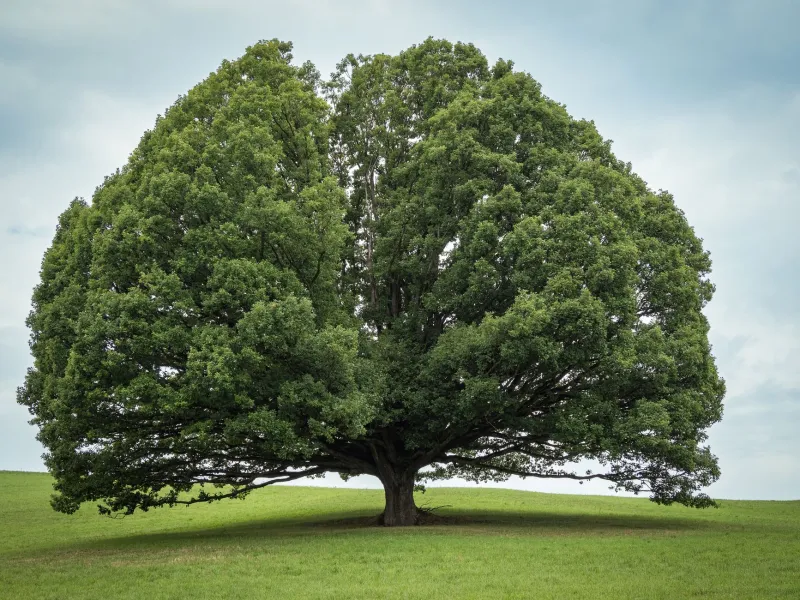
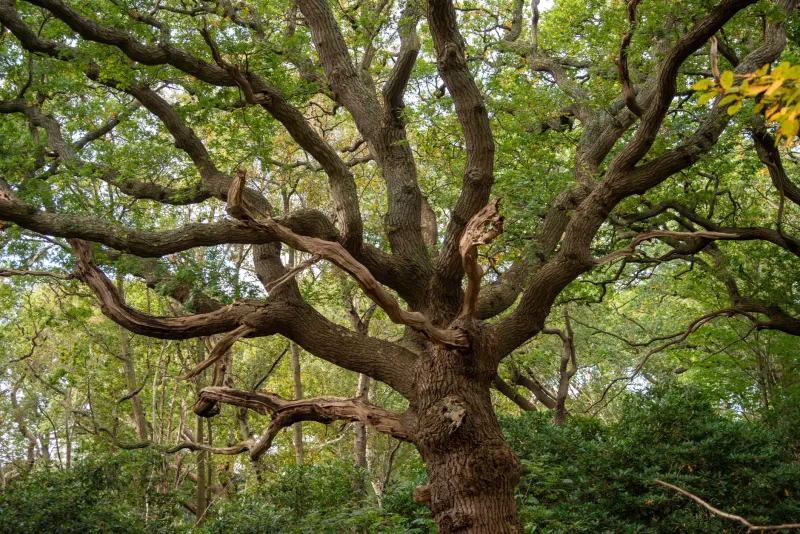
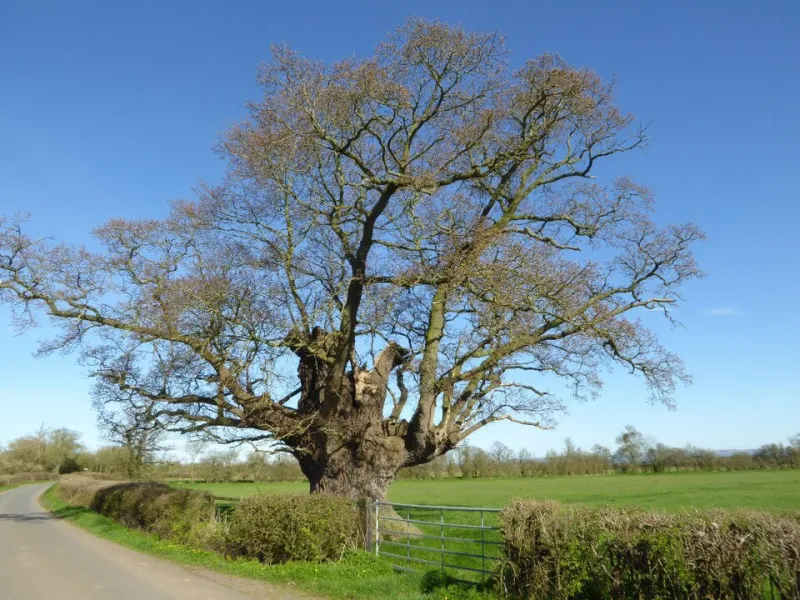
Some of the most beloved trees in Mobile's residential neighborhoods are also among the most structurally vulnerable. Mature water oaks with wide, spreading canopies. Old-growth pecans whose limbs have grown far beyond the reach of the trunk's natural support. Willow oaks that have developed competing stems over decades of unmanaged growth. These trees give neighborhoods their character, provide irreplaceable shade, and often hold sentimental value for the families who have lived beneath them for generations.
They also, in certain conditions, represent a genuine hazard — particularly in a city that sits squarely in the path of Gulf Coast storm systems.
When a professional arborist identifies structural weakness in a tree, one of the options on the table is the installation of a cabling or bracing system. These interventions can be genuinely effective. They can also be unnecessary, poorly matched to the actual problem, or applied to trees that have already passed the threshold at which support systems make practical sense. Knowing the difference matters — both for the health of the tree and for the safety of the property beneath it.
What Cabling and Bracing Actually Accomplish
Structural support systems for trees fall into two general categories, each addressing a different type of weakness.
Cabling involves the installation of high-strength steel or synthetic rope between two or more stems or major limbs. The cable does not hold the tree rigidly in place; rather, it limits the range of movement during high winds, reducing the likelihood that a co-dominant stem or heavy lateral branch will split away from the trunk under load. Think of it as a seatbelt rather than a cage — it does not prevent all movement, but it reduces the severity of the worst-case scenario.
Bracing is a more direct intervention. Threaded steel rods are inserted through the wood at points of structural weakness — most commonly at the crotch of a split or at a union that has already begun to crack. Bracing is typically used in conjunction with cabling rather than as a standalone solution, and it is generally reserved for situations where active splitting has already begun.
Neither system is permanent. Cables and hardware must be inspected regularly, as the tree continues to grow around the installation points and the tension in the system changes over time. A cabling system installed and then ignored for a decade can itself become a source of damage.
Co-Dominant Stems: The Core Structural Concern
The most common reason an arborist recommends cabling is the presence of co-dominant stems — two or more main upright stems of roughly equal size emerging from the same point on the trunk. In an ideal tree structure, a single dominant leader extends upward with secondary branches subordinate to it. When two stems compete for dominance, neither fully assumes the structural role of a central trunk, and the union between them is often inherently weak.
The critical factor in assessing co-dominant stems is the geometry of the attachment. Stems that join at a wide angle — what arborists describe as a U-shaped crotch — tend to have stronger wood-to-wood contact and are generally more stable. Stems that join at a narrow, V-shaped angle compress bark between them as they grow, a condition called included bark. Included bark prevents the formation of strong connective wood tissue, and the union can fail with relatively little provocation.
In Mobile, where summer thunderstorms can deliver sudden, high-velocity wind gusts and where the combination of saturated soils and storm loading puts extraordinary stress on tree structure, a V-crotch union in a mature oak is a legitimate concern. Cabling, in this context, is not precautionary excess — it is a practical risk management measure.
Which Southern Species Are Most Commonly Affected
Certain tree species common to Mobile's landscape are structurally predisposed to the kinds of issues that cabling and bracing address.
Water oaks are fast-growing and adaptable, but their wood is comparatively brittle and they frequently develop co-dominant structure when not pruned during their early years. Pecans produce heavy nut crops that add significant load to lateral branches, and their large canopies act as sails in wind events. Willow oaks, while more graceful in structure than water oaks, can develop included bark unions that are difficult to detect without a trained eye.
Southern magnolias and sweetgums present different concerns — their root systems and overall architecture are generally more resilient — but they are not immune to structural issues, particularly in older specimens that have experienced storm damage or improper pruning over the years.
When Cabling Is the Right Answer
A cabling system is most appropriate when several conditions are present simultaneously. The tree must have significant value — whether ecological, aesthetic, or financial — that justifies the investment. The structural defect must be one that cabling can realistically address; not all weaknesses are amenable to this intervention. The tree must otherwise be in reasonable health, because a cabling system installed in a declining tree is unlikely to extend its functional lifespan meaningfully. And the installation must be followed by a commitment to ongoing inspection and maintenance.
For a healthy, mature live oak with a co-dominant stem and a V-crotch union over a frequently used outdoor space, cabling is a sound recommendation. The tree has value, the risk is identifiable, and the intervention has a realistic chance of extending the tree's safe lifespan by many years.
When It Is Not the Right Answer
Cabling is not a solution for every structural problem, and homeowners should be cautious of any recommendation that treats it as one.
A tree that is already in significant decline — showing extensive deadwood, fungal conks at the base, significant root damage, or canopy dieback — is unlikely to benefit from structural support. The underlying conditions driving the tree's deterioration will continue regardless of what hardware is installed in its canopy. In these cases, removal is frequently the more responsible recommendation, even when it is the less welcome one.
Similarly, a cabling system cannot address root failure or root zone problems. A tree that leans because its root plate has been compromised by construction, soil compaction, or disease is not a candidate for cabling — the risk of whole-tree failure from the base is not mitigated by hardware installed in the upper canopy.
Finally, homeowners should be aware that a cabling system does not eliminate risk. It reduces the probability and severity of certain failure modes. A cabled tree in a Category 2 hurricane is still a tree in a Category 2 hurricane.
What a Professional Assessment Looks Like
A qualified arborist evaluating a tree for potential cabling will examine the tree from the ground and, where necessary, from an elevated position within the canopy. They will assess the geometry of stem unions, probe for decay at critical attachment points, evaluate the overall health of the canopy, and consider the target zone — the people, structures, or infrastructure that would be affected if the tree or a portion of it were to fail.
The outcome of that assessment should be a clear recommendation: cable, brace, prune to reduce load, remove, or monitor. Each of these is a legitimate answer depending on the specific circumstances. A recommendation to install cabling without a thorough assessment of the tree's overall condition and the suitability of the intervention is a recommendation worth questioning.
In Mobile, where storm seasons are a recurring reality and where mature trees represent both significant assets and significant liabilities, that assessment conversation is one worth having well before the first named storm of the season appears on the radar.