Sudden Branch Drop in Southern Oaks: Diagnosing the Problem and Protecting Your Mobile Property
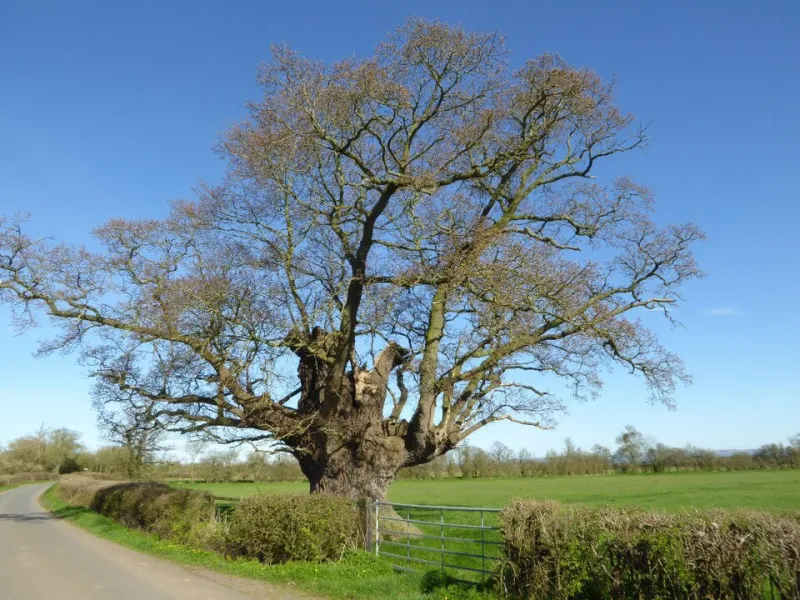
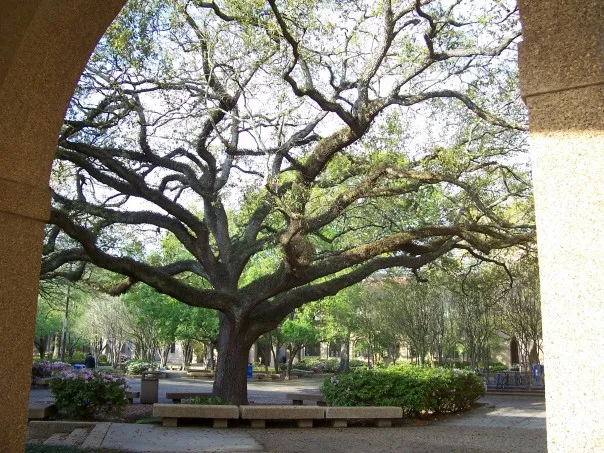
Few sights are more unsettling for a Mobile homeowner than waking up to a large oak limb sprawled across the yard—or worse, across a roof or vehicle. Live oaks (Quercus virginiana) are fixtures of the Gulf Coast landscape, prized for their sweeping canopies and remarkable longevity. Yet these same magnificent trees can, under the right conditions, drop substantial branches with little or no prior warning. Understanding why this happens is not merely an academic exercise. In a region where trees grow large and storms arrive frequently, branch drop is a genuine safety and liability concern that deserves serious attention.
What Is Sudden Branch Drop, and Why Does It Happen?
Arborists use the term "sudden branch drop" or "summer branch drop" to describe the phenomenon in which apparently healthy limbs detach from a tree during calm, warm weather—sometimes with no storm activity whatsoever. While the name suggests spontaneity, the reality is that the conditions leading to branch failure typically develop over months or even years before the actual event.
In Mobile's climate, several overlapping factors make Southern oaks particularly susceptible.
Humidity, Heat, and Cellular Stress
Mobile averages over 60 inches of rainfall annually and experiences prolonged stretches of high humidity throughout the warm season. While live oaks are well-adapted to this environment, extreme heat combined with saturated soil can create internal stress within branch wood. During hot afternoons, rapid transpiration from leaves places enormous tension on large horizontal limbs. Over time, this repeated stress can cause microscopic fractures within the wood, weakening the branch from the inside out long before any external sign of damage appears.
Homeowners sometimes notice that branch drop events cluster during the hottest part of summer, often in the afternoon hours. This is not a coincidence—it reflects the cumulative effect of thermal and hydraulic stress on branch tissue.
Structural Weaknesses and Poor Branch Angles
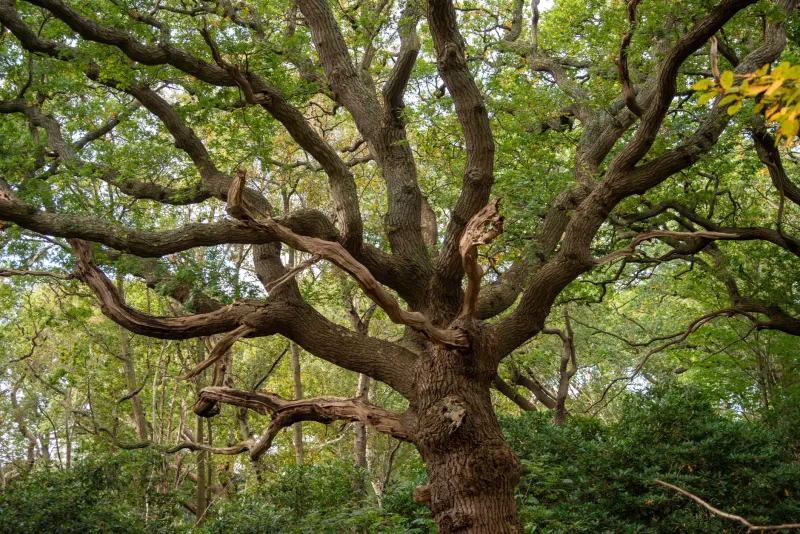
Not all branches are created equal. Limbs that grow at a narrow, acute angle from the main trunk—sometimes called "included bark" attachments—are inherently weaker than those that join at a wider angle. In included bark situations, bark tissue becomes trapped between the branch and the trunk as both grow outward, preventing the formation of strong connective wood. The result is a joint that may look solid from the outside but is fundamentally compromised at its core.
Live oaks frequently develop these narrow-angle crotches, particularly in specimens that have never been properly pruned. During a structural assessment, a certified arborist can identify these weak unions and recommend corrective pruning or cabling before failure occurs.
Pest Infestations and Fungal Decay
Mobile's warm, moist conditions are also ideal for the organisms that accelerate wood decay. Several fungal pathogens—including species of Ganoderma and Inonotus—colonize oak wood and break down the lignin and cellulose that give branches their structural integrity. By the time a conk (the visible fruiting body of the fungus) appears on the bark, decay may already be extensive.
Insect activity compounds the problem. The ambrosia beetle, increasingly common throughout the Gulf South, bores into stressed or weakened wood and introduces fungal spores directly into the tree's vascular tissue. Similarly, oak wilt—though more prevalent in Texas—has been documented in Alabama and can compromise branch attachment in advanced cases.
Regular inspection of your oak's bark for soft spots, discoloration, unusual odors, or visible fungal growth is one of the most practical things a homeowner can do between professional visits.
Residual Storm Damage
Mobile sits squarely in hurricane country, and even storms that do not directly strike the city can leave a legacy of hidden damage. High winds flex large branches repeatedly, creating small cracks at attachment points that may not be visible to the untrained eye. These micro-fractures often remain dormant for one or two growing seasons before the affected limb finally gives way—sometimes during a period of completely calm weather.
If your property experienced significant wind exposure during a recent storm system, scheduling a post-storm arborist inspection is strongly advisable, even if your trees appear outwardly unharmed.
How to Assess Your Own Oaks Between Professional Inspections
While a certified arborist should conduct any formal structural evaluation, homeowners can perform basic visual checks that help flag potential concerns early.
Look up regularly. Make a habit of walking beneath your oak canopy and scanning for dead or hanging branches—sometimes called "widow-makers" in the trade. Any limb that appears gray, lacks foliage during the growing season, or hangs at an unnatural angle warrants professional attention.
Check for soft bark or hollow sounds. Gently pressing on the bark of major limbs and tapping with a mallet can reveal areas of internal decay. A hollow, resonant knock in a location that should sound solid is a warning sign.
Monitor the root zone. Mushroom growth at the base of a tree or along major surface roots often indicates fungal colonization of the root system or lower trunk, which can affect the stability of the entire canopy.
Document changes over time. Photographing your trees from consistent angles each season gives you and your arborist a useful record of canopy changes, new cracks, or shifts in lean.
Prevention Strategies Worth Investing In
The most effective way to reduce branch drop risk is through proactive, professionally managed tree care.
Structural pruning removes weak attachments and redistributes canopy weight before a limb reaches a critical failure point. For young oaks, this is best done early in the tree's life, when corrective pruning is less costly and more effective.
Dynamic cabling and bracing can support large co-dominant stems or extended horizontal limbs that cannot be safely removed without destroying the tree's aesthetic value. Modern cabling systems are designed to allow natural movement while limiting the range of motion that leads to structural failure.
Soil health management addresses the root-level conditions that influence the entire tree. Compacted soils, poor drainage, and nutrient deficiencies all stress oaks in ways that eventually manifest in the canopy. Aeration, targeted fertilization, and mulching within the drip line can meaningfully improve a tree's resilience.
Routine professional inspections, ideally conducted annually and always following significant storm events, provide the earliest possible warning of developing problems.
The Bottom Line for Mobile Homeowners
Live oaks are not fragile trees—they have thrived in this region for centuries, weathering hurricanes and droughts alike. But size and longevity do not equal invulnerability. A large oak limb can weigh several hundred pounds, and a sudden failure can cause serious injury or significant property damage in a fraction of a second.
At Mobile Arborist Co., we approach every oak assessment with the same principle: the best time to address a structural problem is before it becomes an emergency. If your property includes mature live oaks—and in Mobile, it almost certainly does—we encourage you to schedule a professional evaluation and develop a long-term care plan that keeps both your trees and your household safe.