Whose Oak Is It Anyway? The Fence-Line Tree Disputes Alabama Homeowners Keep Getting Wrong
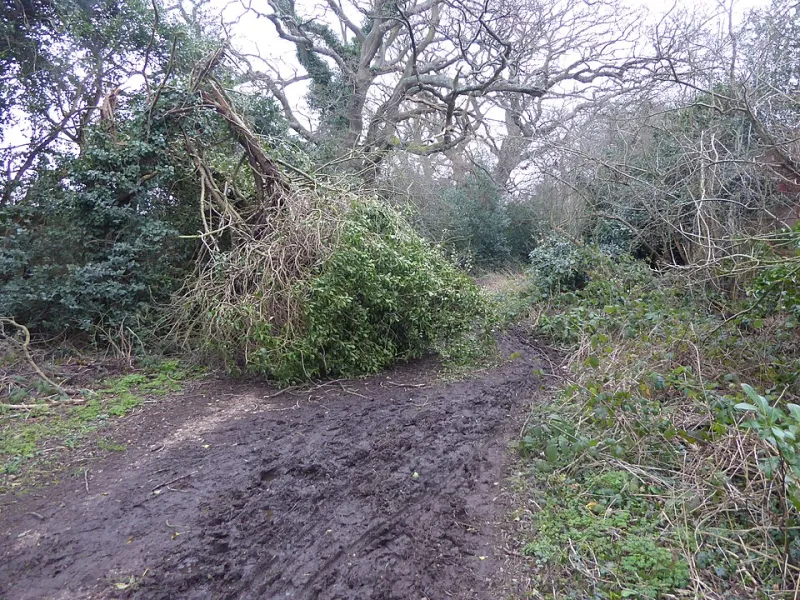
Photo: Marathon , CC BY-SA 2.0, via Wikimedia Commons
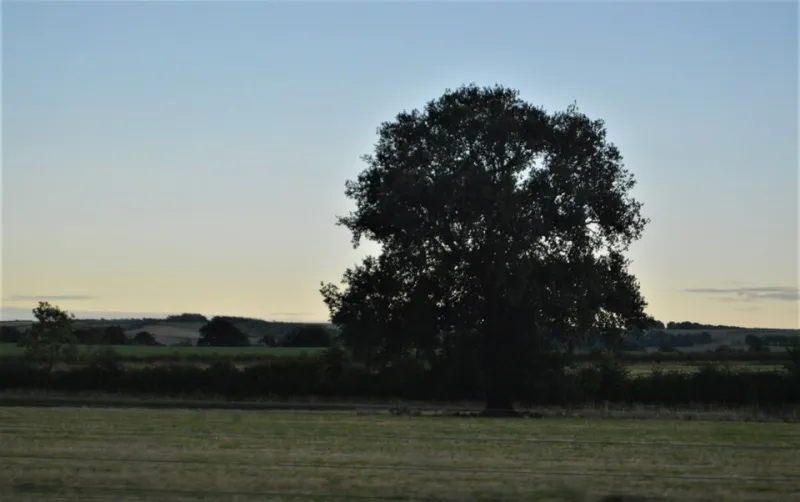
Few conversations between neighbors go sideways faster than a dispute over a tree. It straddles the fence line. Half the canopy shades your roof. The trunk — you're not even sure where the trunk actually sits. And now, after every serious Gulf storm, you wonder what happens when it comes down.
Alabama's answer is more nuanced than the barbershop consensus, and getting it wrong is expensive.
The Healthy Tree Rule
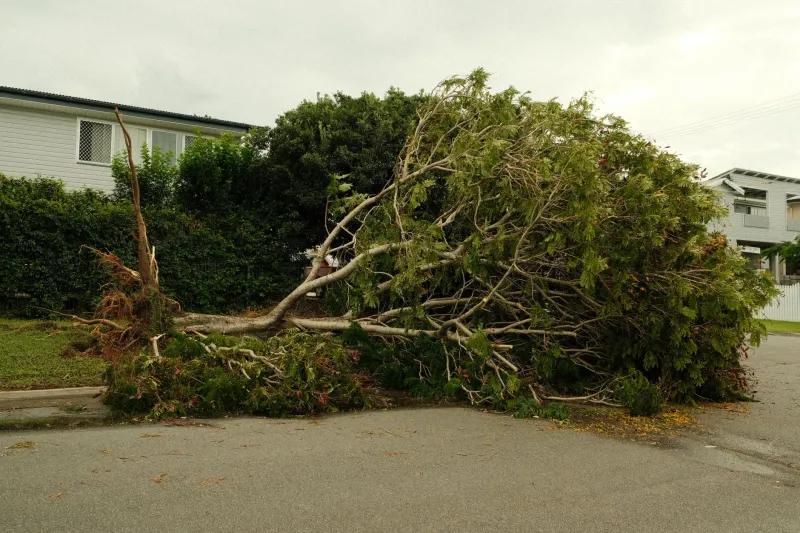
The foundational principle in Alabama is this: if a tree is healthy and standing, and it falls onto your property due to an act of God — a hurricane, a straight-line wind event — the owner of the damaged property bears the loss. Your neighbor's oak crushes your garage; your homeowner's policy pays for your garage. That's the rule most people find unfair, and it's the rule nonetheless.
The logic is that the tree owner had no reason to believe the tree posed a danger. Which brings us to the exception that changes everything.
The Negligence Exception
Alabama courts recognize liability for property owners who had actual or constructive notice that a tree was hazardous and failed to act. If your neighbor's oak shows visible decay, a leaning trunk, fungal conks, dead limbs over your roof — and a reasonable person would recognize the risk — then the analysis shifts. Documented notice plus inaction can make the tree's owner liable for resulting damage.
This is where most disputes are won or lost. The question is never simply "whose tree was it?" It's "who knew what, and when?"
Why a Certified Arborist's Report Is the Deciding Document
Insurance adjusters and attorneys deal in evidence. A casual text message saying "that tree looks bad" carries little weight. A written assessment from a certified arborist — documenting decay, root damage, lean, or target risk, with photographs and dates — is a different category of proof entirely.
If you're concerned about a neighbor's tree, a professional inspection creates a timestamped record. If the neighbor then refuses remediation, that record establishes notice. If the tree later fails, the documentation becomes the backbone of a negligence claim. Conversely, if you own a questionable tree, commissioning an inspection and following its recommendations demonstrates diligence — and can shield you from liability down the road.
Boundary Trees: The Hardest Cases
When a trunk straddles the line, Alabama treats it as jointly owned, and neither party may remove or severely prune it without the other's consent. Maintenance of boundary trees should be negotiated in writing. We've watched handshake agreements dissolve the moment a $6,000 removal bid enters the picture.
Our Position
We'll say it plainly: the law's healthy-tree rule rewards inattention, and that's a flaw, not a feature. But homeowners aren't powerless. Annual inspections of fence-line trees, written communication with neighbors about concerns, and professional documentation cost a fraction of a single denied claim. In Mobile's hurricane-exposed landscape, the cheapest insurance policy you can buy is an arborist's report — filed before the storm, not after.