Before You Dig That Hole: The Buried Infrastructure That Turns a Weekend Planting Project Into a Five-Figure Repair
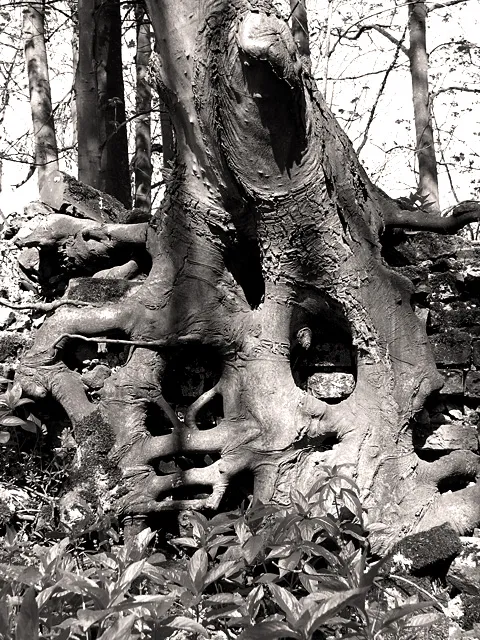
Photo: Evelyn Simak , CC BY-SA 2.0, via Wikimedia Commons
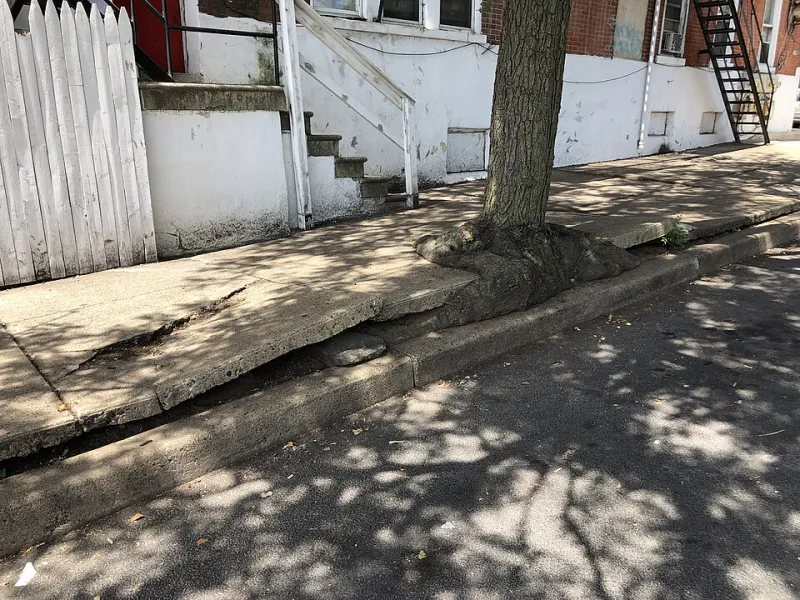
Every spring, hundreds of Mobile homeowners plant trees with the best of intentions — shade for the patio, a privacy screen along the back fence, a splash of color by the driveway. What few of them consider is what's already running beneath their spades: water service lines, sewer laterals, irrigation mains, and buried electrical conduit.
Roots and pipes are drawn to each other for a simple reason. Tree roots seek moisture, oxygen, and nutrients, and aging sewer joints and water lines leak exactly those things into surrounding soil. A hairline crack in a clay lateral becomes an open invitation, and within a few growing seasons, a fast-growing root system can fill a pipe completely.
Why Fast Growers Are the Worst Offenders
The species Mobile homeowners love most for quick results are the same ones most likely to invade underground infrastructure. Weeping willows, silver maples, sycamores, and certain poplars all share two traits: aggressive, shallow root systems and an enormous thirst. A mature willow can extend roots dozens of feet beyond its dripline in search of water — and a leaking sewer lateral is the single most attractive moisture source on your property.
Slower-growing, deeper-rooted species like live oaks, Southern magnolias, and crepe myrtles pose far less risk when planted thoughtfully. The trade-off in patience is usually worth it.
Call 811 Before You Dig — It's Free, and It's the Law
Alabama state law requires homeowners and contractors to call 811 at least two full business days before any excavation, including digging a tree hole. Utility crews will mark public lines for free, though note the limitation: 811 marks the utility-owned lines up to your meter. The sewer lateral running from your house to the main — often the most vulnerable pipe on the property — is privately owned and won't be marked.
A professional arborist can help you locate private laterals, septic fields, and irrigation runs before you commit to a planting site. That hour of planning routinely saves homeowners thousands.
Warning Signs Roots Have Already Found Your Pipes
Watch for these indicators, especially if you have a mature tree within 20 feet of your sewer path:
- Slow drains that recur despite snaking
- Gurgling toilets or sinks
- Unusually lush, green patches of lawn over the lateral line
- Unexplained spikes in your water bill
- Sink spots or soft soil above buried lines
A camera inspection from a plumber confirms the diagnosis. If roots are found, removal options range from mechanical cutting to pipe lining — and in severe cases, pipe replacement and tree removal.
Setback Distances That Actually Work
As a general rule for Mobile-area properties, keep large trees at least 20 feet from sewer laterals and water service lines, and never plant a water-seeking species like willow within 50 feet. For buried electrical and communication lines, remember that the danger runs both ways: roots can abrade conduit over time, and future utility crews may need access that your tree now blocks.
Tree planting is one of the best investments a Gulf Coast homeowner can make. Just make sure you're planting into soil, not into a repair invoice.