Digging Toward Disaster: What Mobile's Renovation Wave Is Doing to the Mature Trees Worth Protecting
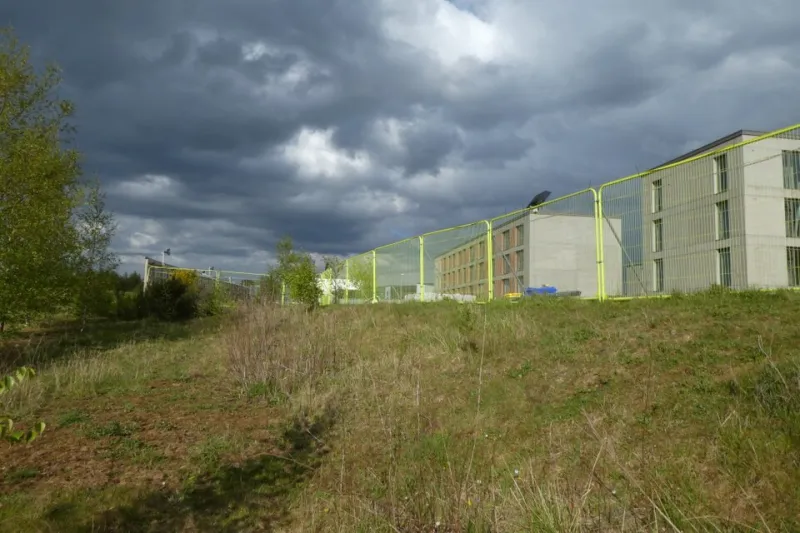
Photo: DS Pugh , CC BY-SA 2.0, via Wikimedia Commons
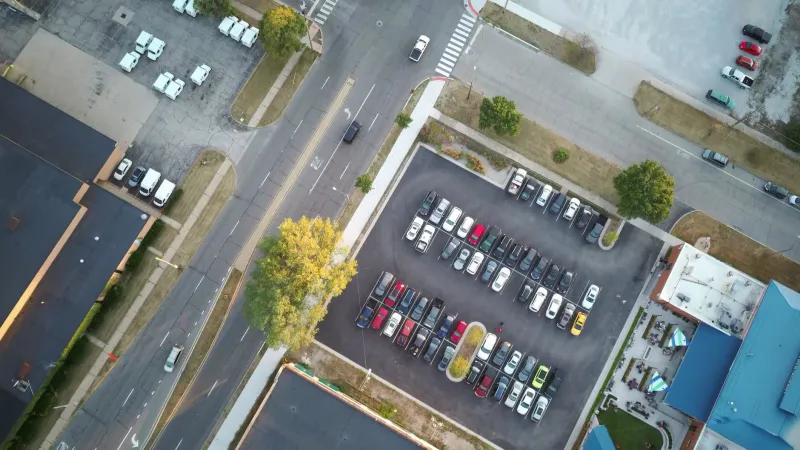
Drive through Spring Hill, Ashland Place, or the expanding corridors west of Schillinger Road and you will see it everywhere: dumpsters in driveways, surveyors' stakes in front yards, and heavy equipment parked beneath the sprawling limbs of trees that were old long before the houses they shade were built.
Mobile is growing. Renovations, additions, and new commercial construction are reshaping the city at a pace not seen in decades. Yet in the rush to build, one asset is routinely overlooked — the mature trees that can add thousands of dollars to a property's value and immeasurable character to a streetscape. Construction kills trees quietly, and the damage usually appears long after the contractors have packed up and gone.
The Root Zone Nobody Sees
The most common misconception among homeowners and builders alike is that a tree's roots extend only as far as its branches. In reality, the root system of a mature live oak can stretch two to three times beyond the canopy, with the majority of the fine, water-absorbing roots concentrated in the top twelve to eighteen inches of soil.
Arborists define the critical root zone — sometimes called the protection zone — as roughly a radius of one foot for every inch of trunk diameter. A sixty-inch live oak on Government Street property, then, needs a sixty-foot protected radius to survive disturbance. Very few construction projects in Mobile give a tree anything close to that.
How Construction Kills Without Ever Touching the Trunk
Trees rarely die from a direct strike. They die from what happens around them:
- Soil compaction. A single pass of a skid steer or a stack of lumber pallets can compress the soil so severely that roots suffocate. Oak and magnolia roots need pore space in the soil to breathe; compaction eliminates it.
- Root severing. Trenching for a new water line, pool, or foundation footing can cut through a significant share of a tree's root system in one afternoon. Removing more than thirty percent of critical roots often begins an irreversible decline.
- Grade changes. Adding even six inches of fill over a root zone smothers the roots beneath. Lowering the grade is no kinder — it exposes and destroys structural roots.
- Chemical exposure. Concrete washout, paint rinse water, and fuel spills dumped near a tree can poison soil that took decades to develop.
The cruel arithmetic is that symptoms — thinning canopy, branch dieback, early leaf drop — typically appear one to three growing seasons after the damage occurred. By then, the renovation is finished, the budget is spent, and the tree is dying in the middle of a beautifully landscaped yard.
Protection That Actually Works
The good news is that construction damage is almost entirely preventable when tree protection is planned before the first excavator arrives.
Install tree protection fencing early. Sturdy, highly visible fencing placed at the critical root zone line — not at the dripline as a courtesy, but enforced as a hard boundary — is the single most effective measure. It should go up before materials arrive and stay standing until the final cleanup is complete.
Route utilities around, not through. Trenching is negotiable. Boring under root zones, hand-digging near protected trees, or rerouting lines a few feet can preserve root systems that would otherwise be severed.
Establish a no-storage zone. Cement trucks, soil stockpiles, and equipment parking must stay outside the fence. Compaction from parked machinery is as lethal as a trench.
Mulch and water through the project. Trees under construction stress benefit from supplemental irrigation during a Gulf Coast summer build. A two-to-three-inch mulch layer inside the protection zone helps buffer soil temperature and moisture.
Why a Pre-Construction Consultation Pays for Itself
Consider the economics. A mature live oak — the signature tree of Mobile's historic districts — is routinely appraised at $10,000 or more, and in some circumstances considerably higher. A pre-construction arborist consultation, including a tree inventory, root zone mapping, and a written protection plan, typically costs a small fraction of one percent of a major renovation budget.
An arborist can also tell you when saving a tree is not realistic. A tree already in decline, a species poorly suited to the disturbance planned, or a specimen whose root zone simply cannot avoid the footprint may be better removed and replaced before construction — a decision made deliberately and affordably rather than forced by a hazardous failure over a new patio addition.
For commercial developers in Mobile, a documented tree protection plan also carries reputational weight. Buyers, tenants, and municipal review boards notice when a project preserves its largest trees — and notice just as quickly when a lot emerges scraped bare.
Build Around What You Cannot Replace
Renovations take months. The trees that make Mobile properties worth renovating took decades, sometimes a century, to establish. When planning your next project, put the trees on the agenda before the architect finalizes the drawings. A short conversation with an arborist at the planning stage protects an asset no budget can buy back after the concrete is poured.