Concrete, Heat, and Struggling Trees: How Urban Heat Islands Are Quietly Defeating Mobile's Urban Forest
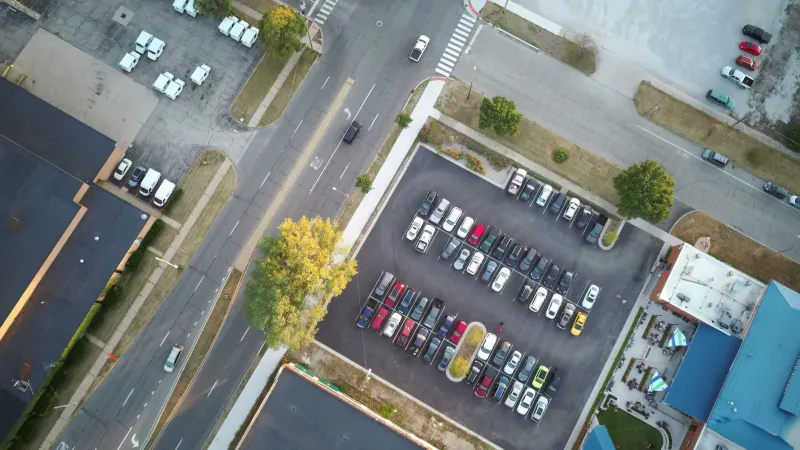
Mobile, Alabama, is no stranger to heat. Summers here arrive early, linger late, and press down with a particular humidity that turns ordinary afternoons into endurance events. But not all heat in Mobile is the same. A tree growing beside a sprawling asphalt parking lot on Airport Boulevard experiences a fundamentally different thermal environment than one rooted in a shaded residential yard two miles away. That difference—measured in degrees, in soil moisture, in root stress, and ultimately in tree survival—is the product of what scientists call an urban heat island, and it is reshaping the way arborists in Mobile approach long-term tree care.
What an Urban Heat Island Actually Is
An urban heat island, or UHI, forms when natural surfaces—soil, grass, tree canopy—are replaced by impervious materials such as asphalt, concrete, brick, and metal roofing. These materials absorb solar radiation during daylight hours and release it slowly after sunset, preventing the cooling that would otherwise occur in vegetated areas. The result is a localized temperature elevation that can range from two to ten degrees Fahrenheit above surrounding rural or suburban zones, depending on the density and extent of the built environment.
In Mobile, the effect is particularly pronounced in commercial corridors, downtown blocks, and the sprawling retail and industrial zones that have expanded significantly over the past two decades. Areas near the port, along heavily trafficked commercial strips, and within densely developed neighborhoods near the city's core can sustain elevated nighttime temperatures that deny trees the thermal recovery period they depend upon. When temperatures remain high through the night, trees cannot fully close their stomata, transpiration continues unchecked, and water stress compounds across consecutive days.
Why Trees in Thermally Hostile Zones Fail Faster
The physiology of tree stress under UHI conditions follows a predictable pattern, though the timeline varies by species. As pavement and building surfaces radiate stored heat, soil temperatures rise. Elevated soil temperatures accelerate microbial activity, depleting organic matter and reducing the water-holding capacity of the root zone. At the same time, reflected heat from vertical surfaces—walls, glass facades, parked vehicles—can raise ambient temperatures around a tree's canopy to levels that impair photosynthesis and accelerate leaf senescence.
Trees under these conditions often display symptoms that property owners misattribute to disease or pest infestation: marginal leaf scorch, premature leaf drop, reduced annual growth, and dieback in the upper canopy. In reality, the tree is responding to chronic thermal and hydraulic stress. Without intervention, these symptoms progress. Root systems weaken, structural integrity declines, and the tree becomes increasingly susceptible to secondary infections by fungal pathogens and opportunistic insects that would not gain purchase in a healthier specimen.
For Mobile property owners near commercial zones or managing trees in parking lot islands, recognizing UHI stress as a distinct threat category is the first step toward addressing it effectively.
Strategic Planting as a Thermal Countermeasure
One of the most durable solutions to urban heat island stress is also one of the most intuitive: plant more trees, and plant them strategically. Canopy cover is the single most effective mechanism for reducing surface and air temperatures in urban environments. A mature tree transpires hundreds of gallons of water per day, cooling the air around it through a process analogous to evaporative cooling. Clustered plantings amplify this effect, creating microclimates that can be measurably cooler than surrounding exposed areas.
For Mobile property owners selecting species for thermally challenging sites, the priority should be on trees with demonstrated heat and drought tolerance that are also well-suited to the Gulf Coast's humidity and occasional flooding. Bald cypress, native to Mobile's lowland ecosystems, performs remarkably well in urban contexts. Shumard oak and southern live oak, while demanding more water during establishment, develop into highly resilient canopy specimens once rooted. Winged elm and American hornbeam offer smaller-scale options for constrained sites where overhead clearance is limited.
Placement matters as much as species selection. Trees positioned to shade western and southwestern exposures—where afternoon solar gain is most intense—deliver the greatest thermal relief to adjacent structures and paved surfaces. Arborists working in Mobile's urban core frequently advise clustering plantings along building perimeters rather than isolating individual specimens in open lot islands, where root zones are constrained and heat exposure is unrelenting from multiple directions.
Managing the Soil Beneath the Pavement
Urban heat island stress does not occur in isolation. It interacts destructively with another common urban condition: compacted, poorly aerated soil. Beneath Mobile's parking lots and sidewalks, soil has often been compressed to the point where root expansion is severely limited, water infiltration is negligible, and gas exchange—essential for root respiration—is nearly absent. Trees in these conditions are already operating at a deficit before summer heat compounds the pressure.
Where site conditions permit, structural soil systems or suspended pavement designs can be incorporated into new construction or renovation projects to provide adequate root volume beneath impervious surfaces. For existing trees struggling in compacted urban soils, vertical mulching, air spading, and the incorporation of compost into the root zone can meaningfully improve conditions. These interventions will not eliminate UHI stress, but they restore some of the soil function that allows trees to cope with it.
Mulching the root zone is among the simplest and most cost-effective strategies available to property owners. A properly applied layer of organic mulch—three to four inches deep, kept clear of the trunk flare—insulates soil against temperature extremes, retains moisture, and gradually improves soil structure as it decomposes. In parking lot islands and street tree pits, expanding the mulched area as far as site conditions allow substantially improves tree performance.
Reflective Surfaces and Companion Plantings
Beyond tree selection and soil management, property owners can reduce UHI intensity at the site level through surface treatments and companion planting. Light-colored or reflective paving materials absorb less solar radiation than standard asphalt, reducing the heat load transferred to adjacent soil and air. While full pavement replacement is rarely practical, permeable paving systems offer a dual benefit: they reflect more heat than conventional asphalt and allow water infiltration directly into the root zone.
Companion plantings—groundcovers, ornamental grasses, and low shrubs installed beneath and around tree canopies—serve a similar moderating function. These plants shade the soil surface, reduce evaporation, and contribute to the overall cooling effect of the planting bed. Native groundcovers such as inland sea oats or dwarf palmetto are particularly well-suited to Mobile's conditions and require minimal supplemental irrigation once established.
A Coordinated Approach for Mobile's Urban Landscape
Addressing urban heat island stress effectively requires more than individual property-level decisions. It calls for a coordinated understanding of how Mobile's development patterns create thermal vulnerability across entire neighborhoods and commercial districts. Arborists working in this city must assess not only the individual tree and its immediate environment, but the broader thermal context in which that tree is expected to survive and grow.
For property owners managing trees in Mobile's urban core or along its commercial corridors, the most productive step is a professional site assessment that accounts for heat exposure, soil conditions, species suitability, and available mitigation options. Trees that are already showing signs of thermal stress may benefit from targeted interventions—adjusted irrigation schedules, soil amendments, or canopy thinning to reduce transpirational demand—that extend their productive life while longer-term planting strategies take hold.
The urban heat island is not a problem that will resolve itself as Mobile continues to develop. But with deliberate planning, appropriate species selection, and attention to the soil and surface conditions that govern tree health, property owners across the city can maintain productive, resilient canopy even in its most thermally demanding corners.